Discover Hidden Treasures with 3D Ground Scanner Detector
3D Ground Scanner Detector: Discover Hidden Treasures Are you ready to unearth the hidden treasures just beneath the surface? With a 3D ground scanner detector, you can uncover valuable artifacts, metals, and other buried items that have been waiting to be discovered. This cutting-edge technology allows you to Mega Detection Infinity Max Pro explore and scan the ground in three dimensions, providing you with detailed insights into what lies beneath. Whether you're a treasure hunter, archaeologist, or simply curious about the world beneath your feet, a 3D ground scanner detector is your key to unlocking the secrets of the earth. Join us as we explore the endless possibilities of uncovering hidden treasures with this advanced detection tool.
Discover Hidden Treasures with 3D Ground Scanner Detector is a top-of-the-line device equipped with advanced technology to help you locate valuable items buried underground. By using ground-penetrating radar and 3D imaging capabilities, this scanner can detect metals, minerals, and other objects at various depths beneath the surface. Whether you're a professional treasure hunter or simply curious about what lies beneath your property, this detector is a powerful tool for uncovering hidden treasures.
The Discover Hidden Treasures with 3D Ground Scanner Detector is an advanced device designed for locating buried objects and treasures. It utilizes ground-penetrating radar and 3D imaging technology to accurately detect metals, minerals, and various items hidden beneath the ground's surface. This scanner is suitable for both professional treasure hunters and individuals curious about what lies beneath their properties, making it a versatile tool for uncovering hidden treasures and valuable items.
Understanding the Benefits of Using a 3D Ground Scanner Detector
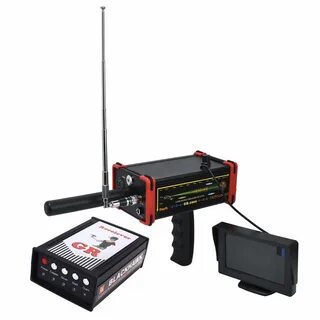
3D ground scanner detectors offer numerous benefits in various fields including archaeology, treasure hunting, land surveying, and environmental studies. These devices provide detailed and accurate three-dimensional images of the ground, allowing for better detection of buried objects or anomalies. By using advanced technology such as ground-penetrating radar and electromagnetic induction, 3D ground scanners can detect underground structures, artifacts, water deposits, and other valuable resources. Additionally, these scanners are non-invasive and user-friendly, making them a preferred choice for professionals and hobbyists alike. Overall, the use of a 3D ground scanner detector can greatly enhance efficiency and precision in detecting and mapping subsurface features.
3D ground scanner detectors offer numerous benefits in various fields including archaeology, treasure hunting, land surveying, and environmental studies. These devices provide detailed and accurate three-dimensional images of the ground, allowing for better detection of buried objects or anomalies. By using advanced technology such as ground-penetrating radar and electromagnetic induction, 3D ground scanners can detect underground structures, artifacts, water deposits, and other valuable resources. Additionally, these scanners are non-invasive and user-friendly, making them a preferred choice for professionals and hobbyists alike. Overall, the use of a 3D ground scanner detector can greatly enhance efficiency and precision in detecting and mapping subsurface features.
Choosing the Right 3D Ground Scanner Detector for Your Needs
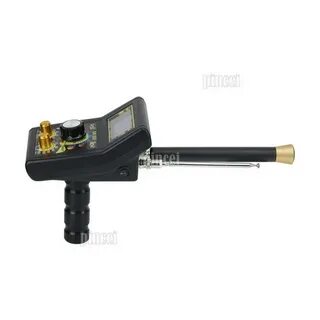
When choosing a 3D ground scanner detector, it's important to consider factors such as the type of terrain you'll be working with, the depth and size of objects you're looking for, and your budget. Different detectors offer different features and capabilities, so it's essential to do thorough research before making a decision. Additionally, consider the level of expertise you have with using this type of equipment, as some detectors may be more user-friendly than others. Ultimately, choosing the right 3D ground scanner detector will depend on your specific needs and preferences.
When choosing a 3D ground scanner detector, you should consider factors such as the type of terrain, depth and size of objects, and your budget. Different detectors offer various features and capabilities. Hence, it's essential to conduct thorough research before making a decision. Consider your expertise with such equipment, as some detectors may be more user-friendly than others. Ultimately, the right 3D ground scanner detector for you will depend on your specific needs and preferences.
Advancements in 3D Ground Scanner Detector Technology
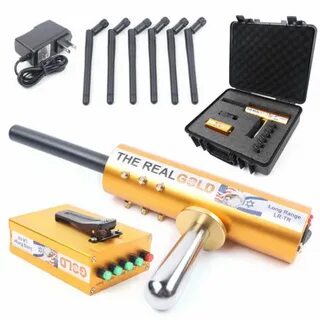
One advancement in 3D ground scanner detector technology is the use of multiple sensors to improve accuracy and depth of detection. By combining different types of sensors, such as electromagnetic and ground-penetrating radar, these scanners can provide more comprehensive and detailed information about underground targets. Another advancement is the integration of GPS and GIS technology, allowing users to accurately map and record the locations of detected objects in real-time. This not only facilitates easier data analysis and interpretation but also enhances the efficiency of excavation or exploration activities. Furthermore, advancements in software algorithms and processing capabilities have improved the speed and accuracy of data interpretation. These improvements enable users to quickly identify and analyze potential targets with greater confidence, reducing the time and resources required for further investigation. Overall, these advancements in 3D ground scanner detector technology have significantly improved the capabilities and usability of these devices for various applications such as archeology, geology, mining, and utility detection.
Advancements in 3D ground scanner detector technology have seen improvements in data processing and analysis. New algorithms and software have been developed to enhance the accuracy and speed of interpreting the data collected. This has allowed for quicker and more confident identification of potential targets, reducing the time and resources needed for further investigation and excavation. Furthermore, the integration of GPS and GIS technology has enabled users to accurately map and record the locations of detected objects in real-time. This not only simplifies data analysis and interpretation but also enhances the efficiency of excavation or exploration activities. In addition, the use of multiple sensors, such as electromagnetic and ground-penetrating radar, has become more common. By combining different sensor types, these scanners can provide more comprehensive and detailed information about underground targets, improving accuracy and depth of detection. Overall, these advancements have significantly improved the capabilities and usability of 3D ground scanner detector technology for various applications, including archeology, geology, mining, and utility detection.
The Science Behind How a 3D Ground Scanner Detector Works
3D ground scanner detectors work by emitting electromagnetic signals into the ground and measuring the reflections and variations in these signals to create a 3D image of the underground environment. These detectors use a combination of radar, electromagnetic induction, and ground-penetrating radar (GPR) technologies to accurately map and visualize the subsurface features such as buried objects, voids, and geological formations. The data collected by the detector is processed and analyzed to provide detailed information about the composition, depth, and size of the detected targets. This technology is commonly used in archaeology, geology, and industrial applications for locating buried artifacts, geological structures, and underground utilities.
3D ground scanner detectors work by emitting electromagnetic signals into the ground and measuring the reflections and variations in these signals to create a 3D image of the underground environment. These detectors use a combination of radar, electromagnetic induction, and ground-penetrating radar (GPR) technologies to accurately map and visualize the subsurface features such as buried objects, voids, and geological formations. The data collected by the detector is processed and analyzed to provide detailed information about the composition, depth, and size of the detected targets. This technology is commonly used in archaeology, geology, and industrial applications for locating buried artifacts, geological structures, and underground utilities.
Comparing Different Brands of 3D Ground Scanner Detectors
3D ground scanner detectors are used to search for precious metals, archaeological artifacts, and underground structures. When comparing different brands of 3D ground scanner detectors, it's important to consider factors such as depth range, accuracy, software capabilities, and additional features such as GPS integration and wireless connectivity. Some popular brands to compare include Minelab, OKM, and Fisher Labs. Minelab offers high-end models with advanced signal processing and multifrequency capabilities. OKM specializes in multi-sensor systems that can provide detailed 3D images of underground targets. Fisher Labs is known for its user-friendly designs and rugged construction. It's essential to carefully evaluate the specifications and customer reviews of each brand to determine which 3D ground scanner detector is the best fit for your specific needs.
When comparing different brands of 3D ground scanner detectors, it's important to consider factors such as depth range, accuracy, software capabilities, and additional features such as GPS integration and wireless connectivity. Some popular brands to compare include Minelab, OKM, and Fisher Labs. Minelab offers high-end models with advanced signal processing and multifrequency capabilities. OKM specializes in multi-sensor systems that can provide detailed 3D images of underground targets. Fisher Labs is known for its user-friendly designs and rugged construction. It's essential to carefully evaluate the specifications and customer reviews of each brand to determine which 3D ground scanner detector is the best fit for your specific needs.
Exploring the Applications of 3D Ground Scanner Detectors
3D ground scanner detectors are used primarily in the fields of archaeology, geology, and mining. These devices are designed to provide a detailed, three-dimensional image of what lies beneath the surface of the ground. This can be incredibly useful for identifying buried artifacts, locating underground water sources, or mapping out mineral deposits. In archaeology, 3D ground scanners are used to survey potential excavation sites and pinpoint areas of interest before conducting any physical digging. In geology and mining, these devices are used to conduct surveys and gather data about the composition and structure of the earth's subsurface. Overall, the applications of 3D ground scanner detectors are diverse and can provide valuable insights for professionals in various fields.
3D ground scanner detectors find applications in a range of industries such as construction, utility mapping, and environmental studies. In construction, they are used to locate pipes, cables, and other infrastructure underground, helping to prevent accidental damage during excavation. Utility mapping companies use these detectors to identify and map out buried utilities to assist in urban planning and development. In environmental studies, the technology is used to analyze soil composition, detect pollution, and identify potential hazards. Additionally, 3D ground scanners have proven valuable in search and rescue operations, as they can locate buried victims in natural disasters. These applications demonstrate the versatility and importance of 3D ground scanner detectors across different fields.
Tips for Maximizing the Efficiency of Your 3D Ground Scanner Detector
Here are some tips for maximizing the efficiency of your 3D ground scanner detector: 1. Familiarize yourself with the user manual and understand all the features and settings of the detector. 2. Calibrate the detector properly before each use to ensure accurate readings. 3. Conduct a thorough ground survey to identify areas with high mineralization or other potential interference. 4. Use the appropriate search coil for the specific type of terrain and target you are searching for. 5. Adjust the sensitivity and discrimination settings to filter out unwanted signals and focus on potential targets. 6. Practice proper scanning techniques, such as overlapping sweeps and maintaining a consistent swing speed. 7. Regularly maintain and clean the detector to ensure optimal performance. 8. Stay updated with the latest software and firmware updates for your detector. By following these tips, you can improve the efficiency and accuracy of your 3D ground scanner detector, leading to more successful treasure hunting and surveying.
Here are some additional tips for maximizing the efficiency of your 3D ground scanner detector: 9. Keep an eye on the battery life and have spare batteries or a charging option available, ensuring uninterrupted usage during scanning. 10. Research and understand the geological and environmental factors that can impact the detection process, such as soil composition, moisture levels, and electromagnetic interference. 11. Utilize the grid method when conducting surveys, marking off areas as you scan to ensure comprehensive coverage and reduce the risk of missing potential targets. 12. Experiment with different scanning patterns and angles to explore the same area from multiple perspectives, increasing the chances of detecting buried objects. Following these additional tips can help you further optimize the performance of your 3D ground scanner detector, improving your ability to locate hidden objects and valuable targets.
Key Features to Look for in a High-Quality 3D Ground Scanner Detector
- Advanced imaging technology for accurate and detailed representations of underground structures - Multiple scanning modes for different types of terrain and targets - Real-time data visualization and analysis for on-site decision making - High resolution and depth penetration capabilities for deep scanning - Durability and ruggedness for reliable operation in various environmental conditions - Easy to use interface for efficient and intuitive operation - Long battery life for extended field use - Ability to store and transfer large amounts of data for comprehensive analysis and reporting.
- Advanced imaging technology for accurate and detailed representations of underground structures - Multiple scanning modes for different types of terrain and targets - Real-time data visualization and analysis for on-site decision making - High resolution and depth penetration capabilities for deep scanning - Durability and ruggedness for reliable operation in various environmental conditions - Easy to use interface for efficient and intuitive operation - Long battery life for extended field use - Ability to store and transfer large amounts of data for comprehensive analysis and reporting.
The Future of 3D Ground Scanner Detector Technology
The future of 3D ground scanner detector technology is promising, with constant advancements in the field of geophysical surveys and subsurface imaging. One of the key areas of development is in the improvement of resolution and accuracy of 3D ground scanners, allowing for more detailed and precise mapping of underground structures and objects. Additionally, there is a growing focus on enhancing the portability and ease of use of 3D ground scanners, making them more accessible to a wider range of users, including archaeologists, geologists, and utility companies. This has led to the development of more compact and lightweight 3D ground scanner systems that can be easily transported and operated in various terrains and environments. Furthermore, advancements in software and data processing capabilities are enabling the integration of artificial intelligence and machine learning algorithms into 3D ground scanner technology, leading to the automation of data interpretation and analysis. This not only streamlines the surveying process but also improves the accuracy and efficiency of subsurface imaging. Overall, the future of 3D ground scanner detector technology is focused on making subsurface imaging more accessible, accurate, and efficient, opening up new possibilities for various industries, including construction, mining, and environmental monitoring.
The future of 3D ground scanner detector technology is poised for significant advancements. There is ongoing innovation in sensor technology, enabling improved data capture and resolution. This allows for more detailed and accurate mapping of subsurface features, such as archaeological artifacts, geological formations, or utilities. Moreover, researchers and developers are focusing on enhancing the usability and mobility of 3D ground scanners. Efforts are being made to create more compact, lightweight, and portable systems that can be easily deployed in diverse terrains and conditions. In addition to hardware improvements, there is a growing emphasis on software and data processing. Integration of advanced algorithms, including artificial intelligence and machine learning, is poised to revolutionize data interpretation, leading to faster and more precise analysis of subsurface structures. The future of 3D ground scanner detector technology holds the potential to unlock new opportunities in construction, mining, environmental assessment, and archaeological research, making subsurface imaging more accessible, accurate, and efficient than ever before.
Common Mistakes to Avoid When Using a 3D Ground Scanner Detector
- Lack of Proper Training: One of the common mistakes when using a 3D ground scanner detector is not having the necessary training to operate the device effectively. It is important to fully understand how to use the equipment, interpret the results, and troubleshoot any issues that may arise. - Not Calibrating the Device: Another mistake is not calibrating the 3D ground scanner detector properly before use. Calibration ensures accuracy in the results and failure to do so can lead to incorrect readings and missed targets. - Ignoring Environmental Factors: Failure to take into account environmental factors such as soil composition, moisture levels, and electromagnetic interference can also lead to inaccurate readings and missed targets. It is important to consider these factors and adjust the settings of the detector accordingly. - Neglecting to Conduct a Thorough Scan: Some users make the mistake of not conducting a thorough scan of the area, resulting in missed targets or incomplete data. It is crucial to cover the entire area of interest systematically to ensure no valuable information is overlooked. - Misinterpreting the Results: Misinterpreting the results of the 3D ground scanner detector can also lead to errors. It is important to have a clear understanding of how to analyze the data and differentiate between genuine targets and false signals. Overall, avoiding these common mistakes can help maximize the effectiveness of a 3D ground scanner detector and improve the chances of detecting valuable targets.
- Lack of Proper Training: One of the common mistakes when using a 3D ground scanner detector is not having the necessary training to operate the device effectively. It is important to fully understand how to use the equipment, interpret the results, and troubleshoot any issues that may arise. - Not Calibrating the Device: Another mistake is not calibrating the 3D ground scanner detector properly before use. Calibration ensures accuracy in the results and failure to do so can lead to incorrect readings and missed targets. - Ignoring Environmental Factors: Failure to take into account environmental factors such as soil composition, moisture levels, and electromagnetic interference can also lead to inaccurate readings and missed targets. It is important to consider these factors and adjust the settings of the detector accordingly. - Neglecting to Conduct a Thorough Scan: Some users make the mistake of not conducting a thorough scan of the area, resulting in missed targets or incomplete data. It is crucial to cover the entire area of interest systematically to ensure no valuable information is overlooked. - Misinterpreting the Results: Misinterpreting the results of the 3D ground scanner detector can also lead to errors. It is important to have a clear understanding of how to analyze the data and differentiate between genuine targets and false signals. Overall, avoiding these common mistakes can help maximize the effectiveness of a 3D ground scanner detector and improve the chances of detecting valuable targets.
In conclusion, utilizing a 3D ground scanner detector is an excellent way to discover hidden treasures and uncover valuable items that may have been buried or hidden underground. With its advanced technology and precise capabilities, the 3D ground scanner detector provides a powerful tool for individuals and professionals who are looking to explore and uncover the secrets hidden beneath the earth's surface.
See also
https://modernmetaldetectors.com/blogs/news/the-top-10-metal-detectors-for-gold https://seriousdetecting.com/pages/top-gold-detectors https://orientdetectors.com/devices/ https://detectorfinder.com/best/gold


تعليقات
إرسال تعليق