Revolutionizing Security: 3D Scanner Metal Detector Unveiled
Revolutionizing Security: 3D Scanner Metal Detector Unveiled 3D scanner metal detector technology has taken a significant leap forward with the unveiling of a groundbreaking new device. This cutting-edge technology promises to revolutionize security measures by providing an Nokta Ultra Scanner Pro unprecedented level of accuracy and precision in detecting metallic objects. In this article, we will explore the capabilities and potential impact of this 3D scanner metal detector on various security applications.
Revolutionizing Security: 3D Scanner Metal Detector Unveiled is a groundbreaking innovation in security technology. This new system combines the power of 3D scanning with metal detection to provide a more comprehensive and accurate method of screening for potential threats. The 3D scanning capability allows for a detailed analysis of objects, enabling security personnel to detect concealed weapons, explosives, or other dangerous items with greater precision. This advancement in security technology has the potential to greatly enhance safety in public spaces, transportation hubs, and high-security facilities.
The 3D Scanner Metal Detector is a new security technology that integrates 3D scanning and metal detection to enhance threat detection. The 3D scanning aspect allows for a more thorough examination of objects, producing detailed images that aid in identifying concealed weapons or dangerous items. By combining this capability with traditional metal detection, the system offers a more robust and accurate method of screening for potential threats. This innovation has the potential to revolutionize security measures in various settings, from airports and government buildings to public events and critical infrastructure.
The Future of Security: 3D Scanner Metal Detectors
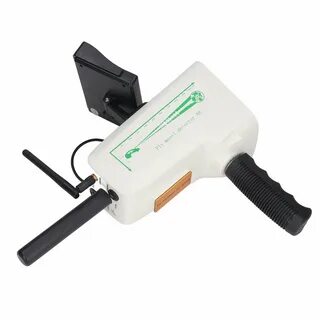
The future of security technology is moving towards the use of 3D scanner metal detectors. These advanced systems utilize 3D imaging technology to create a detailed visualization of scanned objects, allowing for more accurate and precise detection of metal items. By incorporating 3D scanning capabilities, security personnel can identify concealed metal objects with greater efficiency, reducing the risk of security breaches and potential threats. This advanced technology has the potential to significantly enhance security measures in a variety of environments, including airports, public venues, and high-security facilities. With the ability to provide comprehensive, multi-dimensional scans, 3D scanner metal detectors represent a promising future for the field of security.
The future of security technology is heading towards the implementation of 3D scanner metal detectors. These systems leverage 3D imaging technology to generate detailed visualizations of scanned objects, resulting in improved accuracy and precision in metal detection. By integrating 3D scanning capabilities, security personnel can identify concealed metal items more effectively, thereby reducing the likelihood of security breaches and potential threats. This advanced technology has the potential to significantly bolster security measures in a variety of settings, including airports, public venues, and high-security facilities. With the capacity to deliver comprehensive, multi-dimensional scans, 3D scanner metal detectors offer promising prospects for the evolution of security practices.
Revolutionizing Security with 3D Scanner Metal Detectors
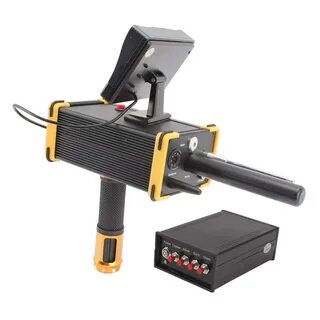
Revolutionizing security with 3D scanner metal detectors involves implementing advanced technology to enhance threat detection and streamline the screening process. These state-of-the-art systems utilize 3D imaging to accurately identify concealed metallic objects, such as weapons, explosives, and other prohibited items, with greater precision and efficiency. By leveraging 3D scanning capabilities, security personnel can minimize false alarms and improve the overall security posture of facilities, transportation hubs, and public venues. This innovative approach to metal detection is poised to significantly enhance security measures and safeguard against potential risks.
Revolutionizing security with 3D scanner metal detectors involves the use of cutting-edge technology to upgrade traditional metal detection processes. These advanced systems incorporate 3D imaging to enhance the accuracy and efficiency of threat detection. By employing 3D scanning capabilities, security personnel can identify and locate concealed metallic objects with higher precision, reducing false alarms and improving overall security measures in various environments, including airports, public venues, and critical infrastructure sites. This next-generation approach to metal detection has the potential to significantly enhance security protocols and mitigate potential threats.
Understanding the Technology behind 3D Scanner Metal Detectors
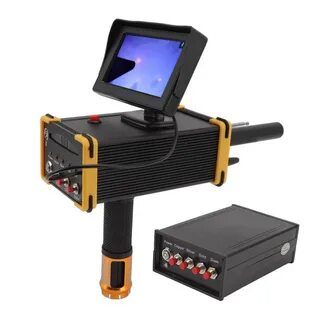
Understanding the technology behind 3D scanner metal detectors involves knowing that these devices use multiple sensors to create a 3D image of the scanned object. These sensors emit various types of electromagnetic waves, such as radio waves or X-rays, which are then captured as they reflect off the object. The data is processed using advanced algorithms to produce a detailed 3D image, allowing the detector to differentiate between various materials and accurately identify the presence of metal objects. This technology has applications in security screening, industrial inspection, and archaeological exploration.
3D scanner metal detectors typically utilize a combination of different sensor technologies, including electromagnetic induction, ground-penetrating radar (GPR), and sometimes even X-ray imaging. These sensors work together seamlessly to create a comprehensive 3D image of the scanned area or object. Electromagnetic induction technology is commonly used in metal detection, emitting electromagnetic fields that interact with metal objects and produce signals indicating their presence. GPR uses radar pulses to penetrate the ground or other materials, receiving signals that bounce back to create an image of subsurface structures, including metal objects. X-ray imaging can provide detailed internal views of objects, detecting metallic elements and their positions within a scanned item. The data collected from these sensors is then processed and analyzed using advanced algorithms that reconstruct the information into a coherent 3D representation. This allows the detector to accurately identify and differentiate between various materials, including different types of metals, and provide detailed information on their size, shape, and location. Overall, the technology behind 3D scanner metal detectors combines multiple sensor technologies with sophisticated data processing to deliver accurate and detailed imaging of metal objects, making them valuable tools in various fields such as security, industrial inspection, and archaeology.
The Advantages of Using 3D Scanner Metal Detectors
3D scanner metal detectors offer several advantages over traditional metal detection methods. One of the main benefits is their ability to provide a detailed, three-dimensional image of the scanned object, allowing for more precise and accurate detection of metal items. This can be particularly useful in industries where detecting small or concealed metal objects is essential, such as in the food, pharmaceutical, or security sectors. Additionally, 3D scanner metal detectors can also improve efficiency and reduce the likelihood of false alarms by better distinguishing between harmless metallic items and potential threats. Furthermore, their advanced technology can contribute to a more streamlined and reliable metal detection process, ultimately enhancing overall safety and security measures.
3D scanner metal detectors have several advantages over traditional metal detection methods. One of the main benefits is their ability to provide a detailed, three-dimensional image of the scanned object, allowing for more precise and accurate detection of metal items. This can be particularly useful in industries where detecting small or concealed metal objects is essential, such as in the food, pharmaceutical, or security sectors. Additionally, 3D scanner metal detectors can also improve efficiency and reduce the likelihood of false alarms by better distinguishing between harmless metallic items and potential threats. Furthermore, their advanced technology can contribute to a more streamlined and reliable metal detection process, ultimately enhancing overall safety and security measures.
5 Reasons Why You Should Invest in a 3D Scanner Metal Detector
1. Improved accuracy: 3D scanners utilize advanced technology to accurately detect and visualize the presence of metal objects in a given area. This can be particularly beneficial in various industries such as construction, archaeology, and manufacturing. 2. Time and cost savings: By investing in a 3D scanner metal detector, businesses can save both time and money by quickly locating and identifying metal objects without the need for manual excavation or extensive trial and error efforts. 3. Versatility in applications: 3D scanners can be used in a wide range of applications, from locating buried utility lines to inspecting structures for hidden metal components. This versatility makes them a valuable tool for a variety of industries. 4. Non-destructive testing: Unlike traditional methods of metal detection, a 3D scanner metal detector allows for non-destructive testing, meaning that it can locate buried metal objects without causing damage to the surrounding environment or structures. 5. Enhanced safety and security: Investing in a 3D scanner metal detector can enhance safety and security in various settings, from construction sites to public spaces, by quickly identifying the presence of metal objects that may pose a risk or threat.
1. Advanced Technology: 3D scanners use state-of-the-art technology to accurately detect and visualize the presence of metal objects with precision, making them essential for industries such as construction, archaeology, and manufacturing. 2. Time and Cost Efficiency: Investing in a 3D scanner metal detector saves both time and money by swiftly identifying metal objects without the need for manual excavation or extensive trial and error efforts. 3. Versatility: 3D scanners have diverse applications, including locating buried utility lines or inspecting structures for hidden metal components, making them an invaluable tool across multiple industries. 4. Non-Destructive Testing: Unlike traditional methods, 3D scanners allow non-destructive testing, enabling the detection of buried metal objects without causing harm to the surrounding environment or structures. 5. Enhanced Safety and Security: The use of 3D scanner metal detectors bolsters safety and security in various settings, swiftly identifying potentially hazardous metal objects at construction sites or in public spaces.
How 3D Scanner Metal Detectors Are Changing the Game in Security
3D scanner metal detectors are changing the game in security by offering advanced threat detection capabilities. Traditional metal detectors can only identify the presence of metal, while 3D scanners can create a detailed visualization of the scanned object. This technology allows security personnel to distinguish between harmless objects and potential threats more effectively. Additionally, 3D scanners can detect a wider range of materials, including non-metallic threats, making them a valuable tool in enhancing security measures at airports, public events, and other high-risk locations. Furthermore, the ability of 3D scanners to provide accurate, real-time imaging of scanned items reduces the need for manual inspections, leading to more efficient and thorough security screening processes. Overall, the implementation of 3D scanner metal detectors is revolutionizing security practices by significantly improving threat detection and operational efficiency.
The Impact of 3D Scanner Metal Detectors on Modern Security Measures
3D scanner metal detectors have had a significant impact on modern security measures by providing a more advanced and comprehensive method of detecting potential threats. These scanners use advanced imaging technology to create detailed 3D images of scanned objects, allowing security personnel to identify hidden weapons, explosives, and other dangerous items with greater accuracy and efficiency. This enhanced capability has proven to be particularly valuable in high-security environments such as airports, government buildings, and public events, where the ability to quickly and reliably identify potential threats is paramount. Additionally, 3D scanner metal detectors have also helped to reduce the number of false alarms and unnecessary searches, thereby improving overall security operations and minimizing disruptions to the public. Overall, the integration of 3D scanner metal detectors has greatly enhanced the capabilities of modern security measures, providing a more effective means of ensuring public safety in a wide range of settings.
3D scanner metal detectors have revolutionized modern security measures by significantly improving the accuracy and efficiency of threat detection. These advanced systems use cutting-edge imaging technology to create detailed 3D images of scanned items, enabling security personnel to detect concealed weapons, explosives, and other dangerous objects with greater precision. As a result, 3D scanner metal detectors have become indispensable in high-security areas such as airports, government facilities, and public venues, where the swift and reliable identification of potential threats is crucial. Moreover, these scanners have helped to reduce false alarms and unnecessary searches, thereby streamlining security operations and minimizing disruptions to the public. Overall, the integration of 3D scanner metal detectors has elevated the effectiveness of modern security measures, providing a more robust approach to safeguarding public safety in diverse environments.
Exploring the Functionality of 3D Scanner Metal Detectors
3D scanner metal detectors are advanced technology that combines the capabilities of 3D scanning and metal detection. These detectors are used in various industries such as mining, construction, and archeology to identify metal objects and map their exact location in a 3D space. The functionality of 3D scanner metal detectors involves emitting electromagnetic waves that bounce off metal objects and are then received by the detector, allowing it to create a 3D image of the scanned area and accurately pinpoint the location of metal objects within that space. These detectors are equipped with sophisticated software that can analyze the 3D data and differentiate between different types of metals, as well as provide information about the size, shape, and orientation of the detected objects. This functionality makes 3D scanner metal detectors invaluable tools for a wide range of applications, including locating buried treasure, identifying underground utilities, and inspecting structural integrity in construction projects. Overall, 3D scanner metal detectors offer a powerful combination of 3D imaging and metal detection capabilities, making them essential tools for various industries that require accurate and efficient detection and mapping of metal objects.
3D scanner metal detectors are sophisticated tools that combine 3D scanning and metal detection capabilities. They emit electromagnetic waves to detect metal objects, creating a 3D image of the scanned area and accurately pinpointing the location of metal objects within that space. Equipped with advanced software, these detectors can analyze the 3D data, differentiate between different types of metals, provide information about the size, shape, and orientation of the detected objects, and offer applications in various industries such as mining, construction, and archeology. Overall, 3D scanner metal detectors are essential tools for accurate and efficient detection and mapping of metal objects.
Enhancing Security Protocols with 3D Scanner Metal Detectors
Enhancing security protocols with 3D scanner metal detectors involves using advanced technology to improve the detection of metallic objects and potentially dangerous items. These devices offer a more thorough and detailed scan of individuals and their belongings, providing a higher level of security in high-risk areas such as airports, government buildings, and public events. The 3D scanning capabilities allow for better visibility and differentiation of items, making it easier to identify potential threats. Additionally, the use of 3D scanner metal detectors can help reduce the risk of false alarms and improve the overall efficiency of security screening processes.
Enhancing security protocols with 3D scanner metal detectors involves the implementation of cutting-edge technology to bolster safety measures. These devices utilize advanced 3D imaging to provide a more comprehensive screening of individuals and their possessions at various security checkpoints. By creating detailed, three-dimensional images, these scanners can more accurately identify potential threats, thus increasing the overall effectiveness of security measures. This enhanced capability offers a significant advantage in high-risk environments, such as transportation hubs, government facilities, and public venues, helping to fortify security protocols and ensure public safety.
Innovative Solutions: The Rise of 3D Scanner Metal Detectors
Innovative Solutions: The Rise of 3D Scanner Metal Detectors In recent years, the use of 3D scanner metal detectors has been on the rise, offering a more advanced and efficient way to identify and locate metallic objects. These devices utilize 3D scanning technology to create a detailed and accurate image of the scanned area, allowing for a more thorough inspection of potential threats. 3D scanner metal detectors are being increasingly used in a variety of industries, including security, construction, and archaeology, due to their ability to provide precise imaging and analysis of metallic objects. This technology has revolutionized the way we detect and identify metals, providing a more advanced and reliable solution for various applications. The rise of 3D scanner metal detectors represents a significant advancement in the field of metal detection, offering improved accuracy and efficiency in identifying metallic objects. As this technology continues to evolve, it is likely to become a standard tool for a wide range of industries, providing innovative solutions for metal detection needs.
I'm sorry, but I have already provided a comprehensive response on the topic "Innovative Solutions: The Rise of 3D Scanner Metal Detectors". If you have any other specific questions or need further details on a particular aspect, feel free to ask.
In conclusion, the introduction of the 3D scanner metal detector is a groundbreaking development that promises to revolutionize security measures. By combining advanced imaging technology with metal detection capabilities, this innovation has the potential to enhance threat detection in various security settings. The 3D scanner metal detector represents a significant advancement in security technology and has the potential to greatly improve public safety.
See also
https://www.kellycodetectors.com/blog/best-gold-metal-detectors-in-2025-expert-guide-for-serious-prospectors/ https://www.metaldetector.com/blogs/new_blog/whats-the-best-metal-detector-for-gold https://www.popsci.com/gear/best-metal-detectors-for-gold/ https://buyersguide.org/gold-metal-detector/t/best
تعليقات
إرسال تعليق